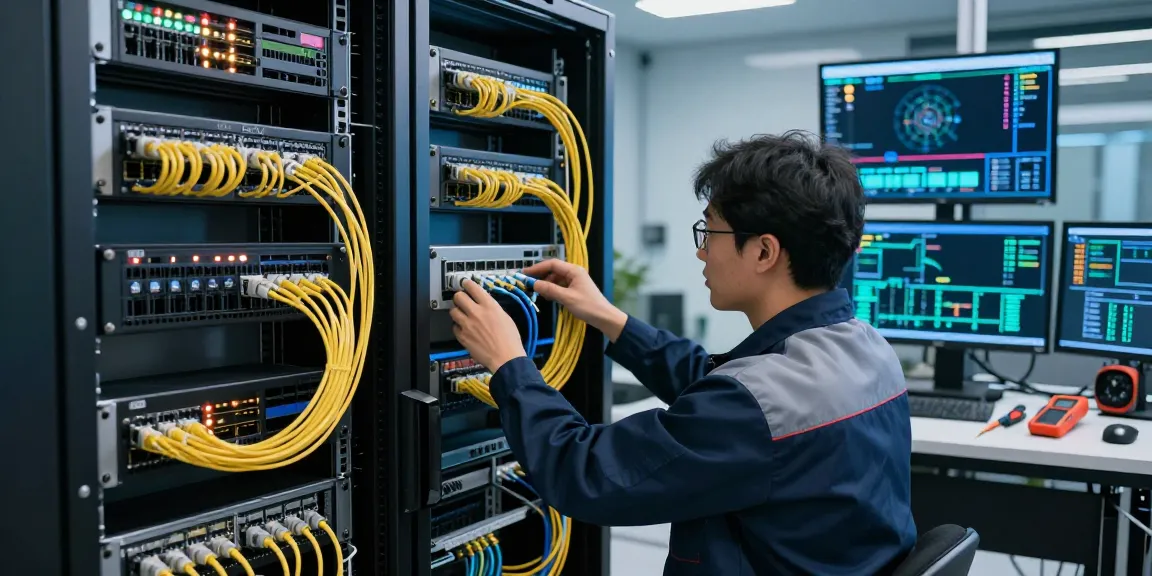
Understanding Fiber Patch Cables
In today’s rapidly evolving digital landscape, the demand for robust and reliable connectivity solutions has never been higher. Fiber patch cables are at the forefront of this movement, facilitating seamless communication across networks. These specialized cables are designed to support high-speed data transfer, making them essential for applications ranging from enterprise IT infrastructures to telecommunications. This article delves into the intricacies of fiber patch cables, including their specifications, common mistakes, installation best practices, maintenance tips, and future trends in technology. When exploring options, fiber patch cables provide comprehensive insights into the best solutions for your needs.
What Are Fiber Patch Cables?
Fiber patch cables, also known as fiber optic patch cords, are short lengths of fiber optic cables with connectors on both ends, used for connecting different types of optical equipment. Their primary function is to transmit data as light signals, allowing for faster and more efficient data transfers than traditional copper cables. Fiber patch cables come in various configurations, encompassing single-mode and multi-mode fibers, which cater to distinct networking requirements.
Key Specifications to Consider
When selecting fiber patch cables, it’s vital to consider several key specifications:
- Fiber Type: Single-mode fibers are best for long-distance transmission, while multi-mode fibers excel in short-range applications due to their higher bandwidth capabilities.
- Connector Types: Common connectors include LC, SC, ST, and MTP. The choice depends on the equipment being used and should ensure compatibility.
- Length: Choosing the correct length is crucial to avoiding excess slack and minimizing signal loss.
- Jacket Material: This affects flexibility, strength, and environmental resilience. Options include PVC for general use and LSZH for environments requiring low smoke emissions.
Types of Fiber Patch Cables Explained
Understanding the different types of fiber patch cables can significantly affect performance and compatibility. Here are the primary types:
- Single-Mode Fiber Patch Cables: Designed for long-distance transmission, utilizing a smaller core than multi-mode fibers. Ideal for WAN connections and telecommunication networks.
- Multi-Mode Fiber Patch Cables: Suited for short-distance connections with a larger core, facilitating multiple light paths. Commonly used in data centers and LAN applications.
- Armored Patch Cables: These cables have an additional layer of protection against physical damage, making them suitable for harsh environments.
- Hybrid Patch Cables: Combining both fiber and copper conductors, these cables can carry both data and power, making them versatile for different setups.
Common Mistakes with Fiber Patch Cables
Despite their advantages, proper use and installation of fiber patch cables can be hindered by common mistakes. Identifying and avoiding these pitfalls is crucial for maintaining network integrity.
Improper Length Selection
One of the most frequent errors is selecting a patch cable with the wrong length. A cable that is too short can lead to tension and potential damage, while an excessively long cable can create clutter and signal degradation due to increased attenuation.
Neglecting Connector Types
Using incorrect or incompatible connector types can cause significant connectivity issues. Each connector type is designed for specific ports, and mismatches can lead to complete network failure.
Ignoring Cable Management Best Practices
Neglecting cable management can result in tangled cables, which hinder troubleshooting and maintenance efforts. Implementing organized pathways and labeling cables can mitigate these issues and enhance overall efficiency.
Best Practices for Installation
Proper installation of fiber patch cables is crucial for ensuring optimal performance and reliability. Following systematic practices can help minimize errors and extend the lifespan of the cables.
Preparing the Environment for Installation
Before installation, ensure that the environment is appropriate for fiber optic cables. This includes controlling temperature and humidity levels, ensuring clean surfaces, and mitigating potential physical hazards that may damage the cables.
Step-by-Step Installation Guide
The installation process should follow these steps:
- Measure and cut the cable to the required length.
- Strip the fiber jacket carefully to avoid damaging the fibers.
- Install the connectors according to the manufacturer’s specifications, ensuring proper alignment.
- Test the connections before closing up the installation to confirm integrity.
Testing and Verification Techniques
After installation, rigorous testing is essential to ensure that the connections are functioning correctly. Techniques such as optical time-domain reflectometry (OTDR) and power meter testing can help identify any potential issues in signal quality and cable integrity.
Maintaining Fiber Patch Cables
Routine maintenance of fiber patch cables plays a significant role in prolonging their service life and maintaining network performance. Adopting a structured maintenance regimen can mitigate common issues that arise.
Regular Inspection and Cleaning
Inspecting and cleaning connectors regularly is vital to prevent dirt and dust accumulation, which can impair signal transmission. Utilize a lint-free cloth and specialized cleaning solutions for optimal results.
Optimal Storage Solutions
When not in use, fiber patch cables should be stored properly to avoid kinks and bends that can damage the fibers. Use protective cases or reels designed specifically for fiber optic storage.
Identifying and Troubleshooting Common Issues
Some common issues with fiber patch cables include signal loss and physical damage. Regular troubleshooting should include checking for visual damages, testing connectivity, and identifying misalignments at the connectors.
Future Trends in Fiber Patch Cable Technology
As technology advances, the landscape of fiber patch cables is evolving rapidly. Staying informed on these trends can help businesses remain competitive in a data-driven world.
Emerging Innovations in Fiber Optics
Continuous innovations in fiber optics, such as improvements in materials and fiber manufacturing, are paving the way for enhanced performance and reduced costs. Technologies such as advanced coatings and new fiber designs are expected to dominate the market.
The Role of AI in Network Management
Artificial intelligence is set to transform network management by offering predictive maintenance and automated diagnostics for fiber optic systems. AI-driven tools can analyze data flows and optimize cable usage, ensuring peak performance.
Preparing for 800G and Beyond
The demand for increased bandwidth is driving innovations towards 800G and beyond. As networks strive for higher capacities, fiber patch cables must adapt to support this demand efficiently while ensuring reliability and speed.
FAQs on Fiber Patch Cables
What are fiber patch cables used for?
Fiber patch cables are primarily used for connecting fiber optic networks, allowing for high-speed data transmission over short to medium distances. They are essential in telecommunications, data centers, and enterprise networks.
How can I ensure the longevity of my fiber patch cables?
To prolong the lifespan of fiber patch cables, ensure proper handling during installation, conduct regular inspections, keep connectors clean, and store them under appropriate conditions when not in use.
What are the best practices for connecting fiber patch cables?
Best practices include verifying connector compatibility, ensuring proper handling to prevent damage, and testing connections post-installation to confirm functionality.
How do I choose the right type of fiber patch cable?
Choosing the right patch cable depends on various factors, such as the distance of data transmission, the required bandwidth, and the compatibility of connectors with existing equipment.
What common problems arise with fiber patch cables?
Common problems include improper installation, lack of maintenance, incorrect length selection, and connector incompatibility. Addressing these issues promptly can prevent significant network disruptions.