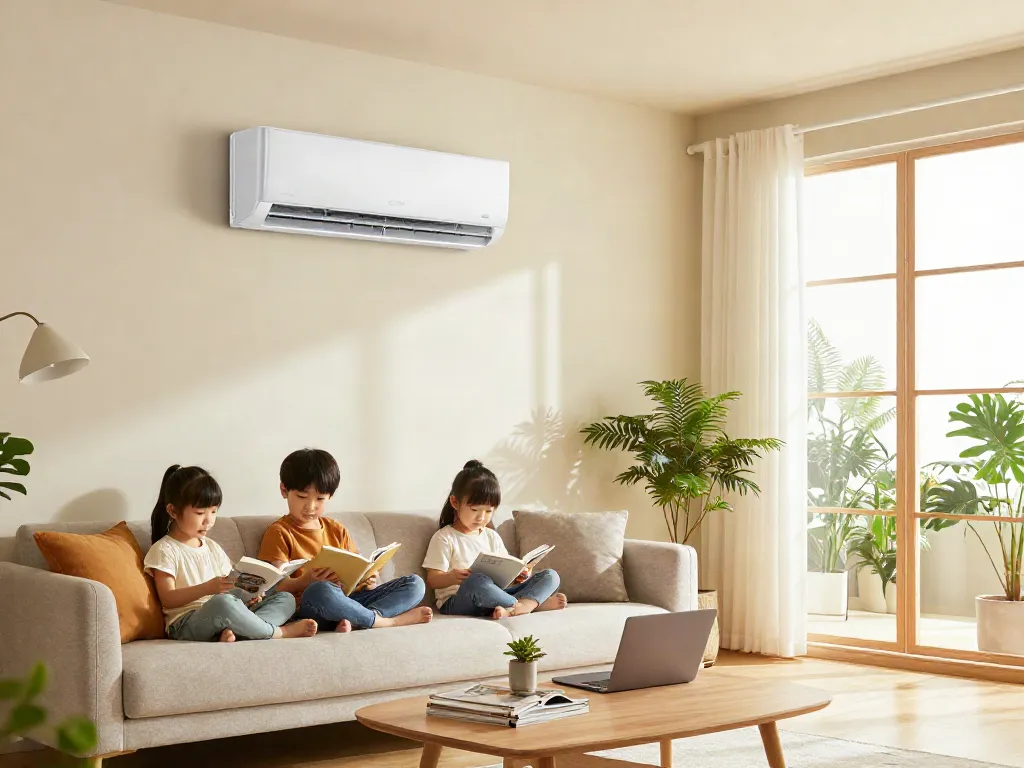
Introduction to Mini Split AC Systems
As temperatures soar and energy costs rise, homeowners are increasingly turning toward efficient solutions for indoor climate control. One such solution that has gained significant traction is the mini split ac system. These compact and versatile air conditioning units offer a wealth of benefits over traditional systems, making them an attractive option for both residential and commercial applications. In this comprehensive guide, we will delve into what mini split AC systems are, their key features, how they operate, and the myriad advantages they offer over conventional air conditioning systems.
What is a Mini Split AC?
A mini split AC, or mini-split air conditioning system, is a type of ductless HVAC system designed to heat and cool specific areas without the need for extensive ductwork. These systems consist of two primary components: an indoor unit that distributes air within the room and an outdoor unit that houses the compressor and condenser. This separation allows for more flexible installation and efficient performance, making mini split systems a preferred choice in various settings, including homes, offices, and even commercial buildings.
Key Features and Benefits
Mini split AC systems come equipped with several features that enhance their functionality and user-friendliness. Here are some key attributes:
- Ductless Design: Eliminates the need for ductwork, allowing installation in spaces where ducts would be impractical.
- Zone Control: Enables users to adjust the temperature in individual rooms, providing customized comfort and potentially lowering energy costs.
- Energy Efficiency: Mini split systems often have high Seasonal Energy Efficiency Ratios (SEER), meaning they use less electricity to cool and heat a space compared to traditional systems.
- Quiet Operation: The design of mini split systems allows for quieter operation than many window or central air conditioning units.
How Mini Split ACs Work
Mini split AC systems operate on a straightforward principle involving the refrigeration cycle. The outdoor unit captures heat from the outside air and transfers it to the indoor unit via refrigerant. During cooling mode, the process reverses, extracting heat from the indoor environment and expelling it outdoors. This efficient heat exchange system not only maintains desired temperatures but also utilizes less energy overall, making mini splits an eco-friendly choice.
Benefits of Mini Split AC Over Traditional Systems
Energy Efficiency and Cost Savings
One of the most significant advantages of mini split AC systems is their energy efficiency. With SEER ratings that can often exceed 20, these systems consume less electricity than traditional air conditioning units, leading to lower utility bills. This efficiency is particularly beneficial for homeowners looking to reduce their carbon footprint and energy expenses.
Flexible Installation Options
The ductless nature of mini split systems provides unparalleled flexibility in installation. These units can be mounted on walls, ceilings, or floors, allowing homeowners to choose the most effective location for optimal cooling and heating. Additionally, because no ductwork is required, installation is often less invasive, resulting in less disruption to the home.
Enhanced Comfort and Air Quality
Mini split AC systems also improve indoor air quality by utilizing advanced filtration systems that trap dust, allergens, and other pollutants. They maintain consistent temperatures across different zones within a space, preventing the hot or cold spots commonly found with traditional systems. This zoning capability not only enhances comfort but also promotes better overall health.
Installation Best Practices for Mini Split AC
Choosing the Right Location
Proper placement of both the indoor and outdoor units is critical for the efficiency of a mini split AC system. The outdoor unit should be positioned in a shaded area with free airflow, while the indoor unit should be installed in a location that allows for optimal air distribution throughout the room. It’s essential to consult with a professional to determine the best locations for your specific needs.
Professional vs. DIY Installation
While some homeowners may opt for a DIY installation, hiring a professional is often advisable. Professionals have the expertise to correctly install the system, ensuring that refrigerant lines are properly sealed and that the unit operates optimally. This can save time, prevent costly mistakes, and ensure compliance with local building codes.
Common Installation Mistakes to Avoid
Several common mistakes can undermine the efficiency of a mini split AC installation:
- Improper sizing: Choosing a unit that is too large or too small can lead to inefficient cooling and energy waste.
- Blocking airflow: Ensure that the indoor unit is not obstructed by furniture or other items that can impede airflow.
- Ignoring maintenance access: Make sure the outdoor unit is installed in a location that allows for easy maintenance and service access.
Maintenance Tips for Longevity of Mini Split ACs
Regular Cleaning and Filter Replacement
To keep your mini split AC running efficiently, it's vital to perform regular maintenance. This includes cleaning the filters monthly and replacing them according to the manufacturer's recommendations, typically every 3-6 months. Regular cleaning prevents dust and debris from obstructing airflow and improves air quality.
Scheduling Professional Maintenance
In addition to regular cleaning, scheduling a professional maintenance check at least once a year can help catch any potential issues before they become major problems. Technicians can inspect refrigerant levels, check for leaks, and ensure all components are functioning correctly.
Signs Your Mini Split AC Needs Repair
Being aware of signs that your mini split AC may need repair can save you from significant discomfort down the line. Common indicators include:
- Inconsistent temperature control
- Unusual noises, like grinding or rattling
- Increased energy bills without changes in usage
Future Trends in Mini Split AC Technology
Smart Home Integration
The future of mini split AC technology is being shaped by the rise of smart home systems. Many manufacturers now offer models that can be controlled via smartphone apps, allowing users to adjust settings remotely, schedule on/off times, and monitor energy consumption. This integration not only enhances convenience but can also contribute to energy savings.
Advancements in Energy Efficiency
As technology evolves, so does the energy efficiency of mini split systems. Innovations in compressor technology, such as variable speed compressors, allow units to adjust their cooling output based on demand, further improving energy efficiency. Additionally, many companies are investing in research and development to create even more efficient systems that consume less power while providing superior climate control.
Sustainable Refrigerants and Eco-Friendly Options
Environmental concerns are pushing manufacturers to adopt more sustainable refrigerants that have lower global warming potential. This shift not only helps reduce the environmental impact of cooling systems but also aligns with increasing consumer demand for eco-friendly options in home appliances.
What are the advantages of mini split AC systems?
Mini split AC systems provide numerous advantages, including energy efficiency, flexible installation, improved comfort, and better air quality. Their ductless design allows for customized heating and cooling solutions tailored to specific needs.
How much does a mini split AC installation cost?
The cost of installing a mini split AC system can vary widely based on factors such as the number of zones to be cooled, the size of the units required, and installation complexity. On average, homeowners can expect to pay between $3,000 and $5,000 for a complete installation.
Can mini split ACs provide both heating and cooling?
Yes, many mini split AC systems are designed with heat pump technology, enabling them to provide both heating and cooling functions. This versatility makes them an excellent choice for year-round climate control.
What maintenance is required for mini split ACs?
Maintenance for mini split ACs generally includes regular cleaning of filters, checking refrigerant levels, and scheduling professional inspections annually to ensure optimal performance.
How do I choose the right mini split AC model for my home?
Choosing the right mini split AC model involves assessing your specific cooling needs, including the size of the space, the number of zones, and your energy efficiency goals. Consulting with an HVAC professional can help you find the best fit for your home.